

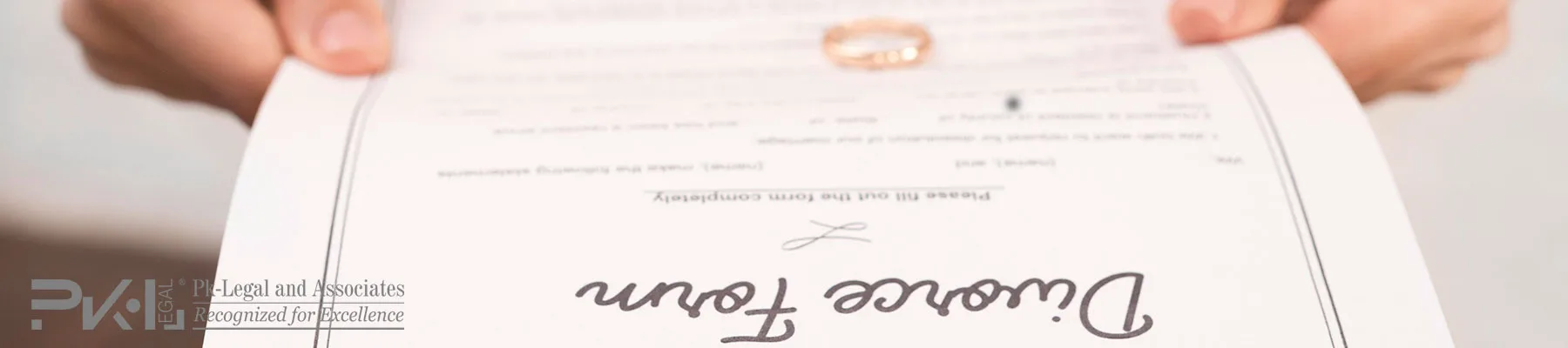
Legal and Practical Implications of Column 18
Women in Pakistan are generally unaware of “Women’s right to divorce / Talaq-e-Tafweez in Pakistan given to them in Column 18 of Nikahnama. Pakistan is slowly but steadily moving towards pro-female legislation but the question of the day is who and how will we educate our women about their legal rights.
For example, Muslim women in Pakistan can have the right to divorce / Talaq-e-Tafweez their husbands in column 18 of their Nikah Naama but most women are unaware of their legally recognized right in Muslim Family Laws Ordinance 1961. Our traditional mindset is the biggest hurdle in the way and we rarely tell them or let them avail this right to divorce at the time of marriage.
If Column 18 is filled out and the right of divorce is delegated to the wife / Talaq-e-Tafweez, it gives her significant legal protection and autonomy in her marriage. In the event of marital breakdown, the wife does not have to resort to seeking Khula, which is a separate legal process where she has to apply to the courts to dissolve the marriage, often requiring evidence of mistreatment or grounds for divorce. Instead, with the power of Talaq-e-Tafweez, she can dissolve the marriage without legal complications.
The following are the practical advantages of activating Column 18:
- Equality in Marriage
It creates a more balanced power dynamic in the marital relationship, ensuring that both parties have the right to end the marriage if it becomes untenable. - Simplified Divorce Process
Women who have been granted this right can initiate divorce without having to go through the often long and arduous process of Khula, where they must appear in court and justify the reasons for wanting to end the marriage. - Protection from Abuse
Women who are in abusive marriages, or marriages where they feel trapped, can use this provision to secure a divorce without having to fight prolonged legal battles or face societal pressures.
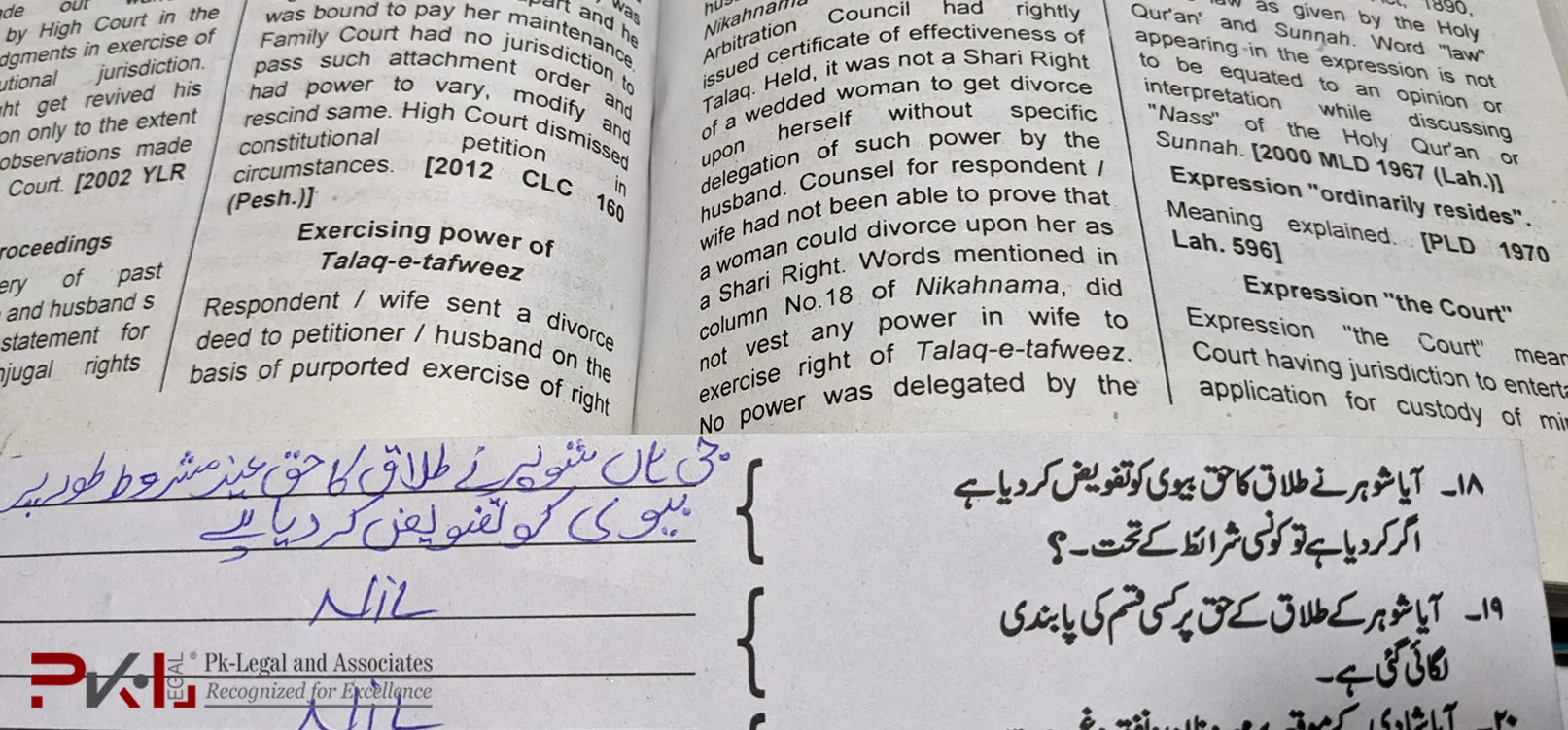
This column allows the bride, at the time of marriage, to secure the right to initiate divorce if she deems it necessary under certain conditions agreed upon by both parties at the time of marriage. It’s essentially a clause that can empower the bride by giving her an equal right to dissolve the marriage, a right that traditionally is held by the husband in Islamic marriages.
Women in Pakistan are generally unaware of “Women’s right to divorce in Pakistan (Column 18 of Nikahnama)” / “Talaq-e-Tafweez” in the column 18 of the Nikahnama.
The Rare Use of Column 18 of Nikahanama in Pakistan
Muslim women in Pakistan can have the right to divorce their husbands in column 18 of their Nikah Naama but most women are unaware of their legally recognized right in Muslim Family Laws Ordinance 1961. Our traditional mindset is the biggest hurdle in the way and we rarely tell them or let them avail this right to divorce at the time of marriage.
Despite the empowerment it offers, Column 18 is rarely filled in during marriage registrations in Pakistan. This underutilization is often attributed to:
- Lack of Awareness
Many people, including women and their families, are unaware of the existence and implications of Column 18. This is largely due to the lack of proper education regarding women’s rights in marriage under Islamic and Pakistani law. - Cultural and Societal Pressure
In many cases, families discourage or even oppose the inclusion of this clause in the Nikahnama. The idea of a woman having the right to divorce is seen as contrary to traditional gender roles in Pakistani society, leading to its omission. - Clerical Bias
Nikah registrars or clerics (who officiate marriages) often overlook or intentionally leave Column 18 blank due to their personal views on gender roles and divorce, or simply because they follow cultural norms that do not encourage women’s right to divorce. - Patriarchal Influence
Many men are unwilling to delegate their right of divorce to their wives, fearing a loss of control within the marriage. The deeply rooted patriarchal structure in society discourages men from giving their wives this power.
Khula vs. Talaq-e-Tafweez
It is important to distinguish between Khula and Talaq-e-Tafweez (Column 18 divorce rights).
- Khula: Khula is the process by which a woman can seek a divorce from her husband through the courts. However, the woman has to provide legitimate grounds for the divorce, such as cruelty, lack of financial support, or desertion. Khula is typically a more difficult and longer process as it requires court intervention, and in some cases, the woman may have to forgo her right to dower (Mehr) as part of the settlement.
- Talaq-e-Tafweez (Delegated Divorce): Under Talaq-e-Tafweez, if the husband grants this right, the woman does not need to go to court or justify her decision to divorce. She can simply exercise the delegated power given to her at the time of marriage. This form of divorce is quicker and bypasses the need for legal grounds or court intervention.
Families rarely ask the bride and groom if they want to talk about this clause and want to activate it. Study shows that more than 99% of women in Pakistan were not asked about this clause hence not applicable, thus stripping women of a right that is recognized under the law. Even in court marriages in Pakistan females says THEY DON’T NEED the RIGHT TO DIVORCE / Talaq-e-Tafweez in clause 18 of nikahnama which refers to Section 8 of the Muslim Family Laws Ordinance 1961 which defines a detailed procedure for talaq (divorce) in Pakistan.
A woman who does not have the right of divorce under Section or Column 18 of nikahnama must go to the family court of their area for the grant of khula (dissolution of marriage), a 3-5 months long legal procedure during which she loses her claim over the dower and in some cases on maintenance too. And then go to the Union/Arbitration Council for issuance of the final divorce certificate which is a 90 days process in either case.
Despite the advantages of this and some other clauses in the nikahnama, in most cases, a number of sections of the nikahnama are struck out at the time of marriage, and Section 8 is one of the most common casualties.
If you have any questions relating to Women’s right to divorce in Pakistan you contact us either through our website’s contact page or a phone call or through WhatsApp for detailed guidance.
Latest Posts
-
 Legal Services to Overseas PakistanisSeptember 20, 2026
 -
 PLD 2026 SC 91: Khula, Cruelty & Dower RightsSeptember 19, 2026
 -
-
 Court Marriage in Islamabad: New Age Rules, Documents and Nikah RegistrationSeptember 15, 2026
 -
 Can You Divorce by SMS or WhatsApp in Pakistan? The LawFebruary 23, 2026