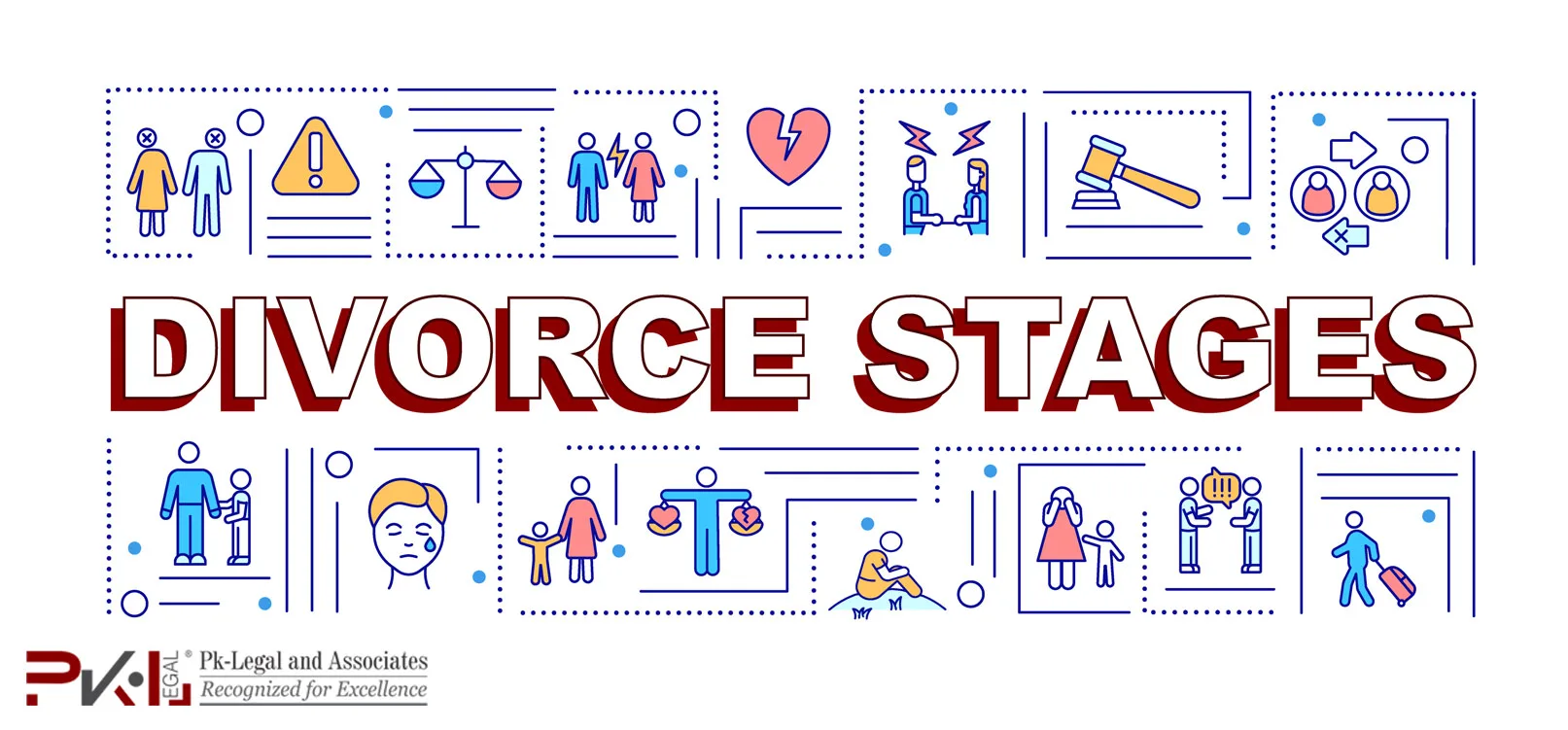
Step by Step Divorce Process at Union Council in Pakistan
Know about Different Steps of a Divorce Process at the Union Council in Pakistan
A divorce not routed through the procedure contemplated by Section 7 of The Muslim Family Laws Ordinance 1961, does not become effective. Both parties can nominate their representatives/lawyers to pursue Arbitration/Union Council Proceedings however one-time in-person presence is a must. If we divide the complete divorce process into phases then we can split it into two major phases...
The Sindh Child Marriage Restraint Act 2013
The Sindh Assembly is the first assembly in Pakistan where a bill of this kind is passed. According to "The Sindh Child Marriage Restraint Act 2013", in cases of underage marriage the Bride, Groom and parents can all be sentenced to three years in prison and can be fined Rs. 45,000. Sindh Minister for Culture Sharmila Farooqi presented this bill in Sind Assembly and an eight-member committee took part in the preparation of its drafts with consultation with stakeholders. The legislation cover child marriage, harassment of women, honour killings and acid attacks.
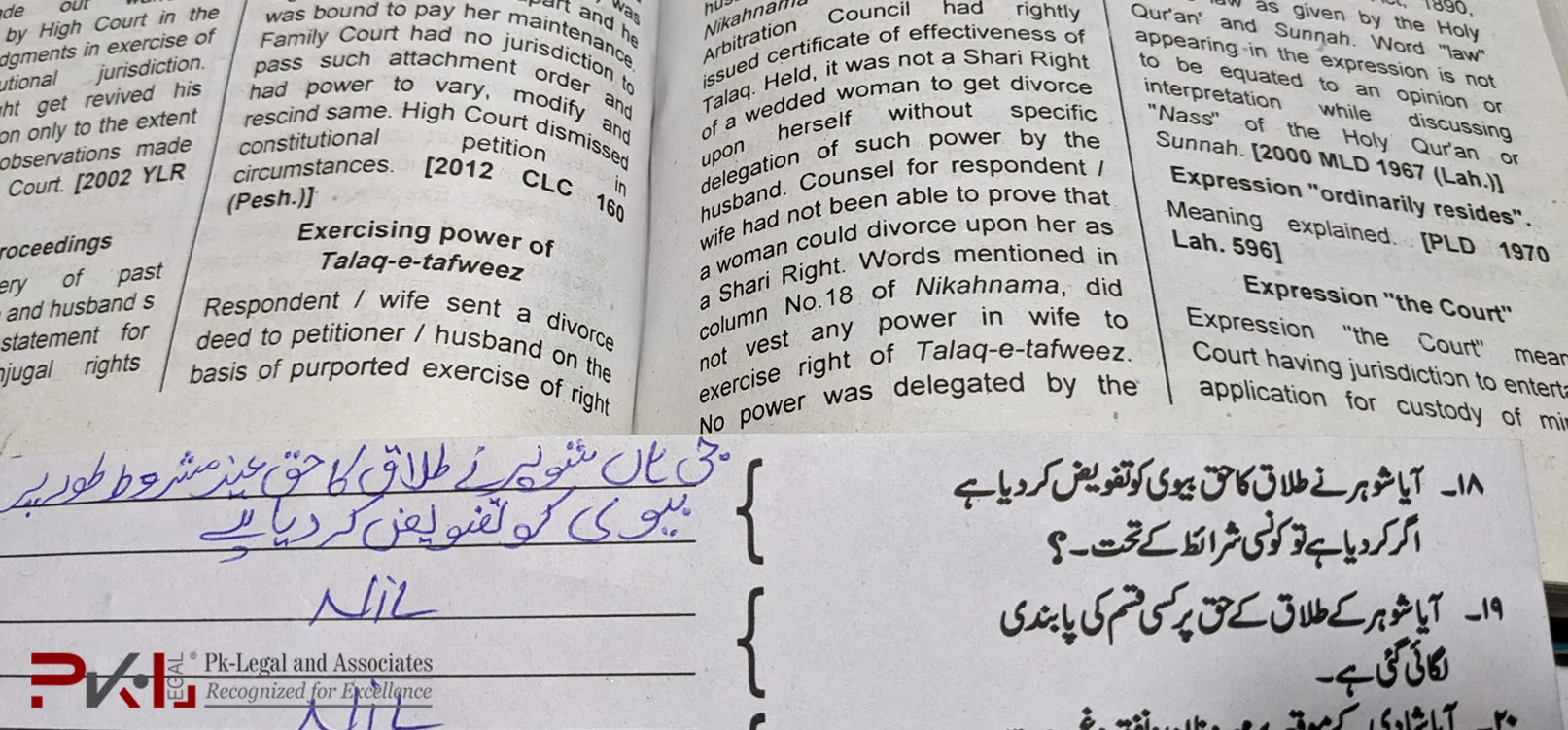
What is Women’s right to divorce in Pakistan? Column 18 of Nikahnama, a rarely used provision in Pakistan
Explanation of Women’s right to divorce / Talaq-e-Tafweez (Column 18 of Nikahnama) in Pakistan
What is Column 18 of Nikahnama in Pakistan? Column 18 of the Nikahnama in Pakistan, under the Muslim Family Laws Ordinance 1961, is a significant section that relates to the bride's right to delegate the power of divorce to herself. This provision is known as the "Delegation of the Power of Divorce" or "Talaq-e-Tafweez".
Child Custody Advice For Mothers After Divorce
Going through a divorce can be an emotionally and financially draining experience, and the added stress of figuring out child custody arrangements can make it even more difficult. As a mother, you may be wondering what your options are and how to ensure that your children's best interests are protected.
Latest Posts
-
 Legal Services to Overseas PakistanisSep 20, 2026
 -
 PLD 2026 SC 91: Khula, Cruelty & Dower RightsSep 19, 2026
 -

-
-